Estimate Your Ghana Building Cost Before You Start
The all-in-one platform for building in Ghana: free cost calculator, AI floor plans, a materials & labour marketplace, and construction management - whether you design with us or bring a build already underway.
Cost calculator, AI floor plans, a materials marketplace and build management, all in one place.
Building from abroad? Plan, price, and track your Ghana project with more control.
Where are you in your build?
Building from abroad? Plan, price, and track your Ghana project with more control.
- GS 1207:2018 Compliant
- Made for Ghana
- No credit card required

This house: 9 bedrooms · 3 storeys · 432 m²
Total estimated cost
GHS 1,795,565
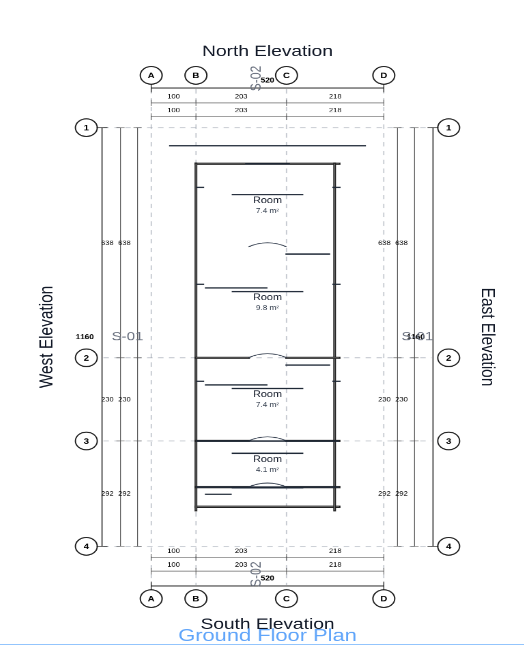
Measured from the generated floor plan
- walls
- 133
- doors
- 43
- windows
- 45
- rooms
- 47
One platform, three stages
From the first estimate to the day you move in
Most tools stop at a drawing. GhanaHousePlanner carries the same house from its cost, to a code-checked design, to the build itself, with self-serve tools and our team on call at every stage.
Know the real cost before you commit
Ghana-specific prices for every region, including the items informal quotes tend to leave out.
- All 16 regions, priced from live material rates
- Quantities measured from your floor plan: blocks, cement, rods, roofing
- Labour, services and a contingency included, not added later
Our team can help
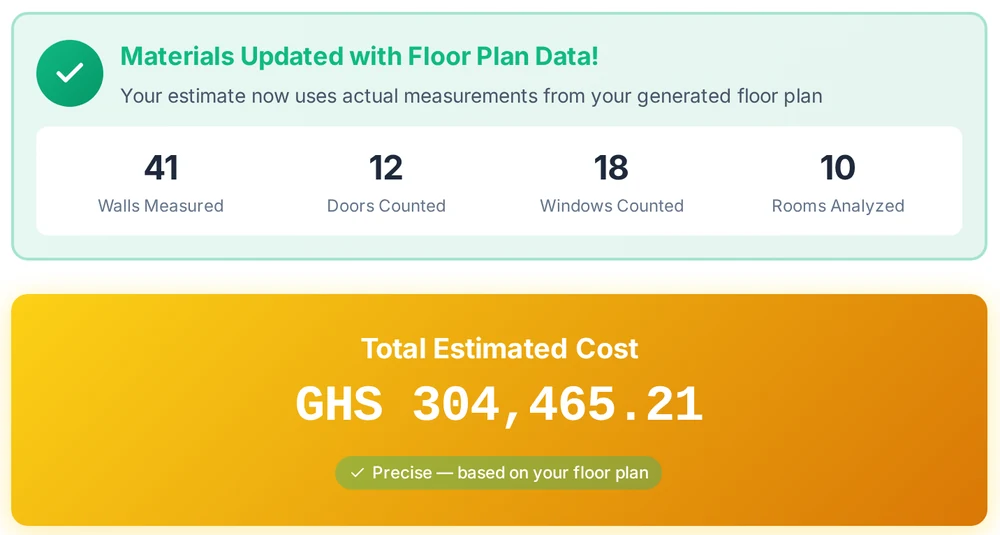
- Sandcrete blocks (6″)3,195
- Cement177 bags
- Iron rods (Y10–Y16)1,615 pcs
- Roofing sheets46 sheets
- Labour allowanceGHS 23,220
Design a house that meets the building code
Describe your home to the AI Design Agent, or upload a plan you already have. Either way, every room is checked.
- Four layout options for every house, ready to edit
- Every room checked against GS 1207:2018 minimum sizes
- Walk through it in 3D; drawing sets, DXF and IFC on paid plans
Our team can help
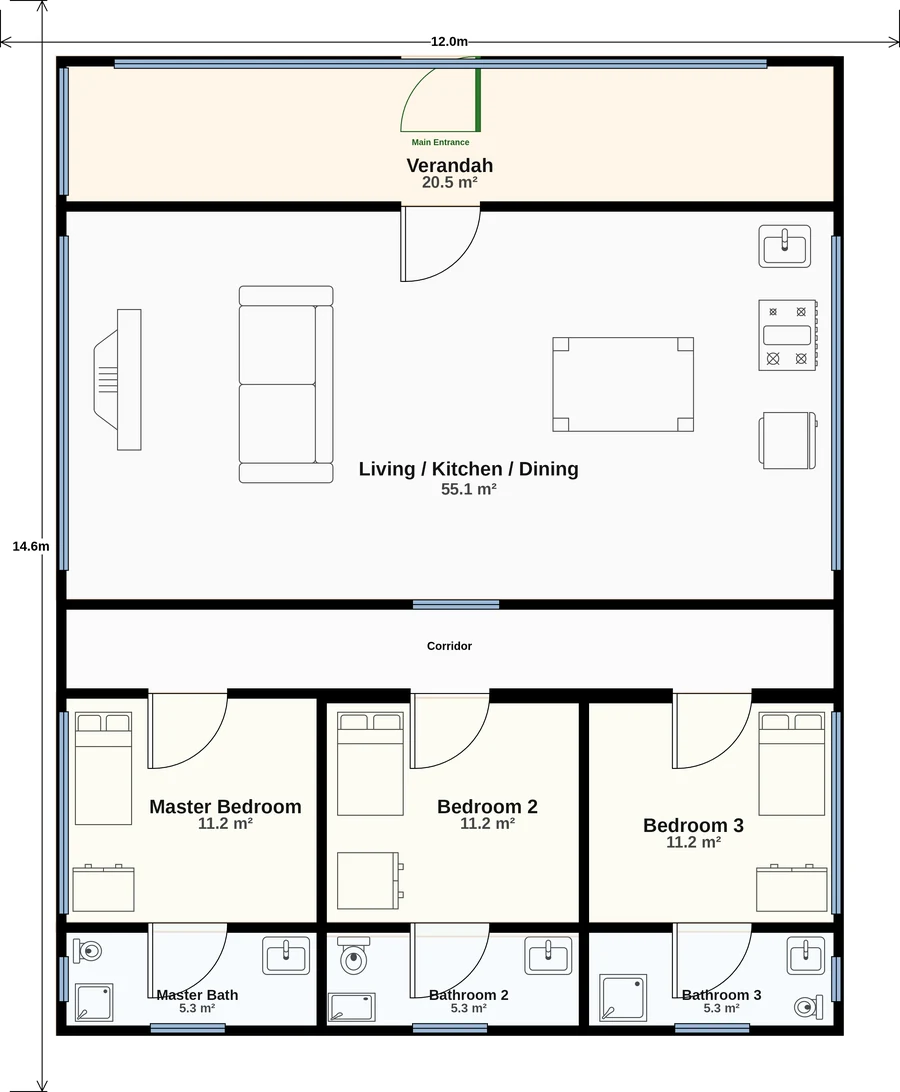
- Living, kitchen & dining55.1 m² min 13.47
- Master bedroom11.2 m² min 11.15
- Bedrooms 2 & 311.2 m² min 8.36
- Bathrooms5.3 m² min 3.0
Keep control of the build, even from abroad
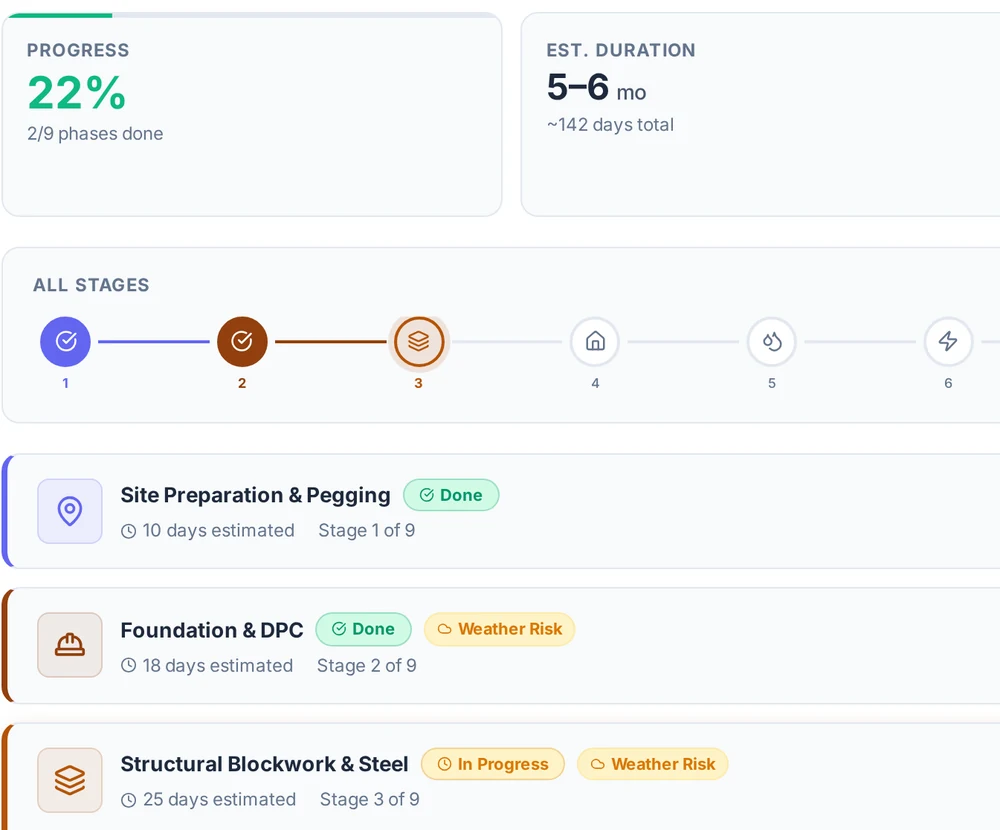
Bring a build you started anywhere and run it like a project: phases, budget, team and documents in one place, with progress straight from the site.
- Phases and documents tracked for free, no floor plan needed
- Budget, cost forecast and team roles with Starter
- Site photos and logs sent straight from WhatsApp
- Questions to your team (RFIs) and milestone sign-off in writing
Our team can help
See It in Action
Watch a house plan come together in 2D and 3D, or click through the platform yourself before you sign up.
Demo not loading? Open full-screen demo →
Everything else you need to build
Tools and services for every stage, and for the people who build for a living.
Built for Ghana
Accurate pricing and materials for Ghanaian construction
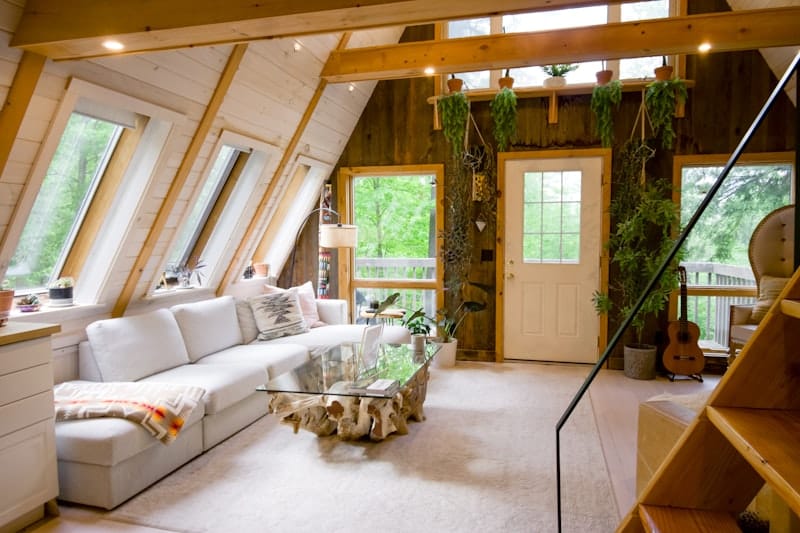
Built for the real problems of building in Ghana
Design, compliance, cost, materials, and site supervision stay in one connected project — not scattered across separate calculators, marketplaces, and spreadsheets.
For Homeowners
- Estimate your likely budget before you start
- Get compliant designs that pass inspection (no rejections)
- Buy materials at fair prices, escrow-protected until delivery, from rated suppliers
- Free calculator with optional advanced tools
For Diaspora
- Manage your project from USA, UK, Germany, or Canada
- See real-time progress with site photos
- Control budget and catch leakage immediately
- More transparency before sending money
For Contractors
- Access verified projects and material lists
- Collaborate with homeowners and suppliers
- Track timelines and budgets professionally
- Build your reputation on CornerStore
For Suppliers
- Connect directly with verified buyers
- Grow your business on CornerStore
- Fair pricing, no middleman markup
- Reach diaspora investors with capital
Building from the Diaspora?
Watch how Ghanaians in the UK, USA, and Canada are using GhanaHousePlanner to plan, budget, and track their builds back home — without being on-site.
Tap to start — from anywhere
How GhanaHousePlanner compares
The only platform providing end-to-end building certainty for the Ghanaian market.
| Feature | GhanaHousePlanner | Planner 5D | Maramani |
|---|---|---|---|
| Ghana-Specific Pricing | All 16 regions | Generic | Limited |
| GhBC Compliance | Built-in | No | No |
| Project Management | Free tier | No | No |
| Diaspora Features | Real-time tracking | No | No |
| Material Sourcing | CornerStore, with supplier ratings & reviews | No | Limited |
| Buyer Payment Protection | Escrow, held until delivery confirmed | Not offered | Not offered |
| Cost Accuracy | ±5-10% | Varies widely | Varies widely |
| BIM Export (IFC · DXF · GLTF) | Pro & Starter | Not offered | Not offered |
| UCC & KNUST Research Backing | Validated | None | None |
Our Cost Model Is Backed by Academic Research
Not guesswork. Our pricing engine is validated by a parametric study that quantified Ghana's "Completeness Gap" — the systematic shortfall between informal contractor quotes and real construction costs.
"A family budgets GHS 600,000 for a 3-bedroom home. Our research shows the actual cost is approximately GHS 790,000 — they are GHS 190,000 short before they break ground."
— Emmanuel Apaaboah & Bernard Opoku, University of Cape Coast / KNUST, 2026
Start with the cost. Build with fewer surprises.
Join thousands using GhanaHousePlanner to estimate costs, compare regions, and plan homes in Ghana.
No credit card required • Free cost calculator • Optional AI design, editor, exports, and project tools